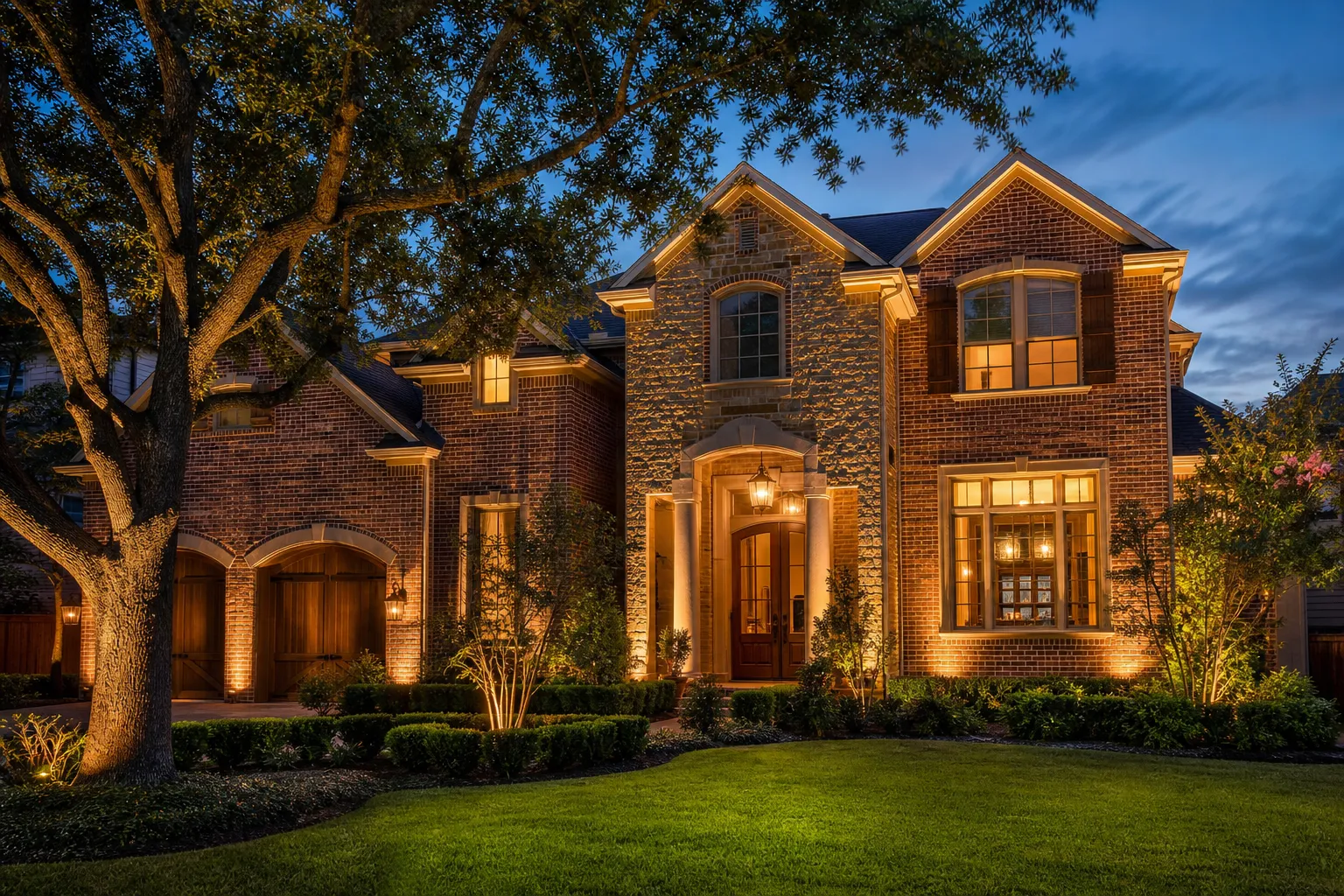
Façade & architecture
Grazing a brick wall, uplighting columns, or washing a roofline turns the front of the house into the feature. Placement and aim decide whether it reads elegant or harsh.
Get a quote →Façades and pathways, patios and gardens, trees and security — tell us what you're lighting outside and we connect you with a vetted Houston electrician who builds a durable, glare-aware system for Gulf Coast weather. One form, a callback within 30 minutes during business hours, no upfront fees.
Houston Service Hub doesn't perform electrical work. You tell us about the outdoor lighting project; we match you with a licensed Texas (TDLR) electrician local to your ZIP who handles the on-site assessment, layout, wiring, permits, and installation.
The licensed electrician is responsible for the work, the license, the insurance, and any warranty on the job. We verify their credentials before a single lead is routed — and re-check periodically.
You share the vision · the matched pro designs and installs the systemEvery path routes to a licensed electrician who does that exact work. Here's what shapes each one.
Grazing a brick wall, uplighting columns, or washing a roofline turns the front of the house into the feature. Placement and aim decide whether it reads elegant or harsh.
Get a quote →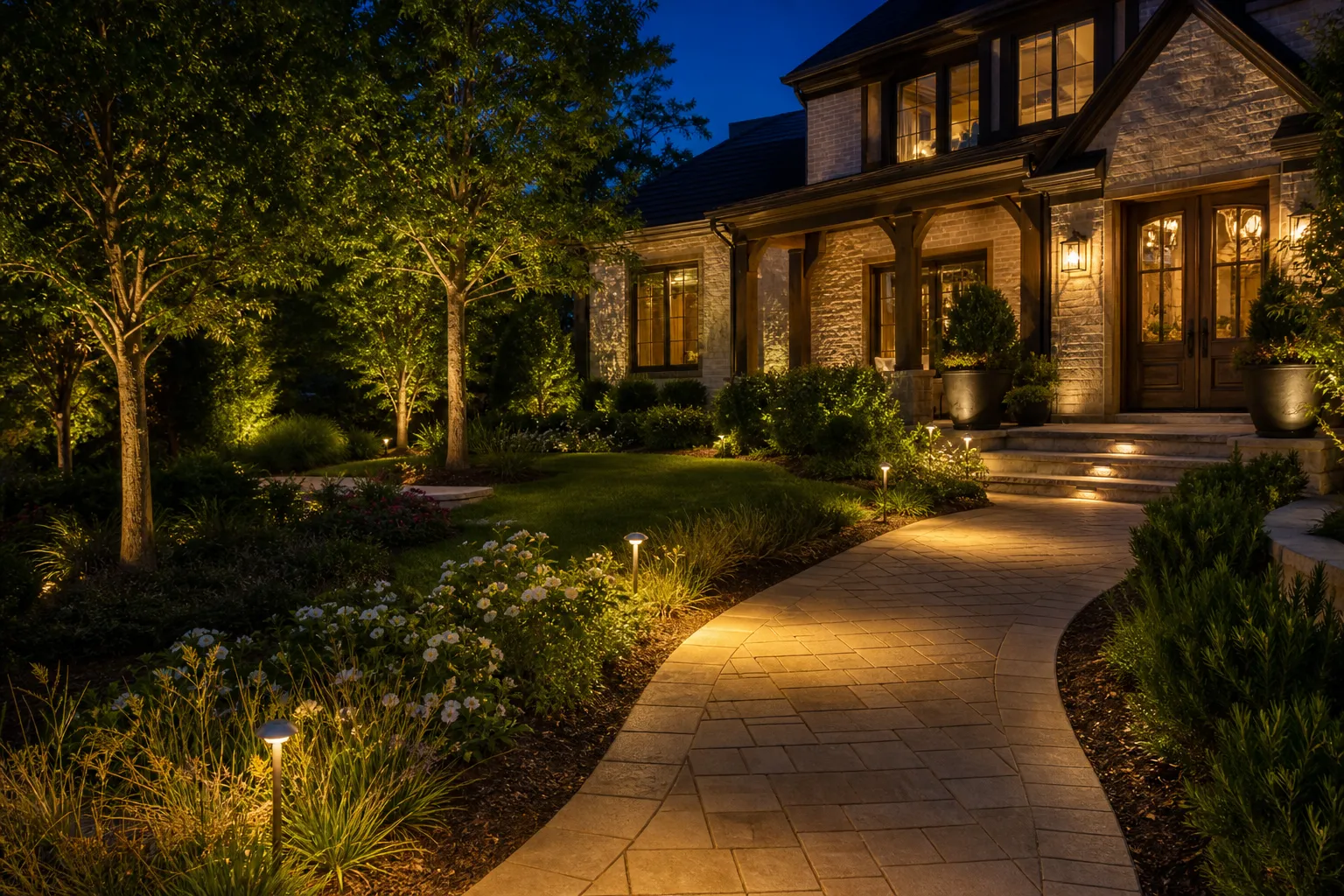
Light for footing, not a runway. Even, low-glare pools along walks and steps make the yard safe after dark without a line of hot spots.
Get a quote →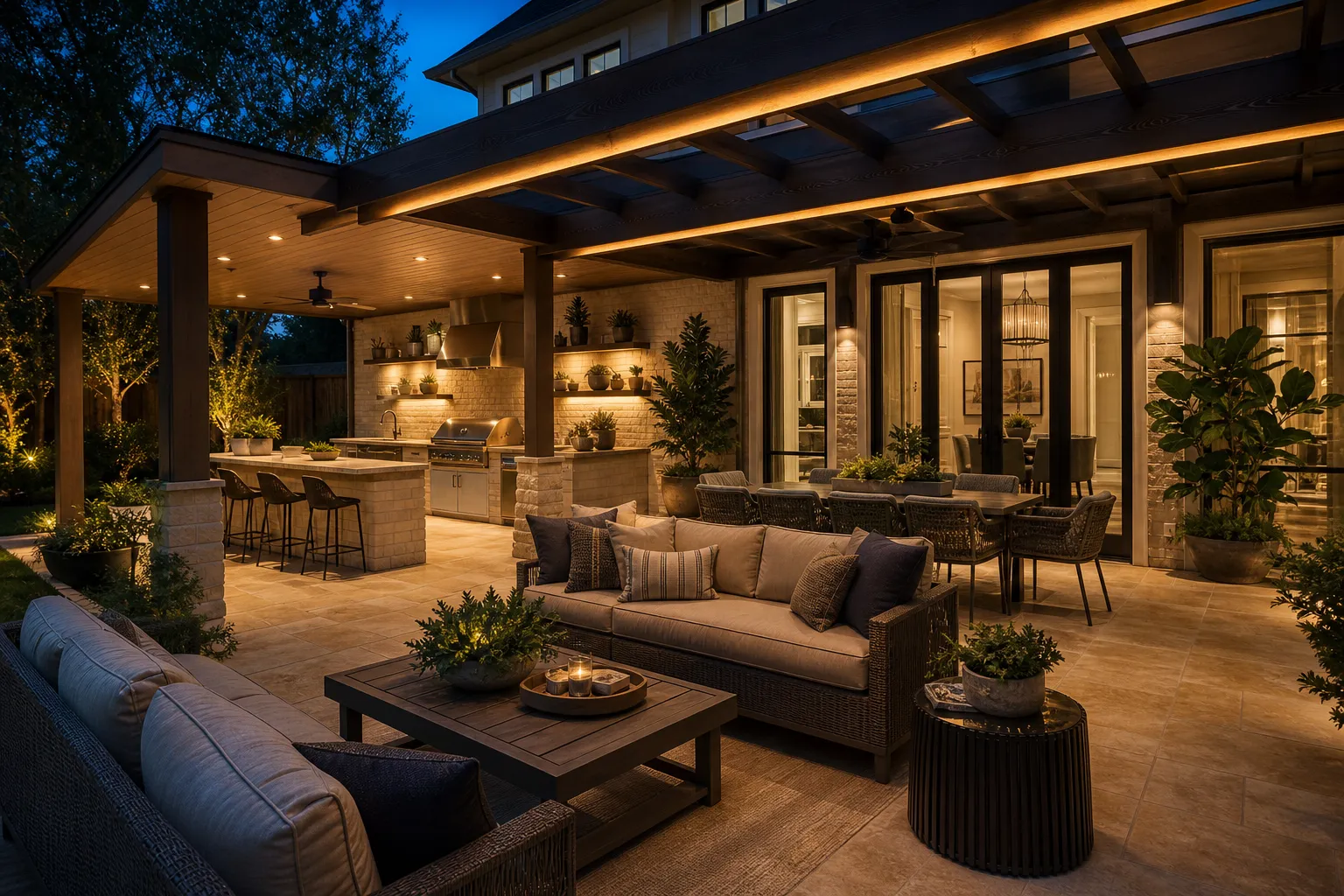
Decks, pergolas, and outdoor kitchens need layered light — ambient to sit under, task where you cook and serve — that survives weather and use.
Get a quote →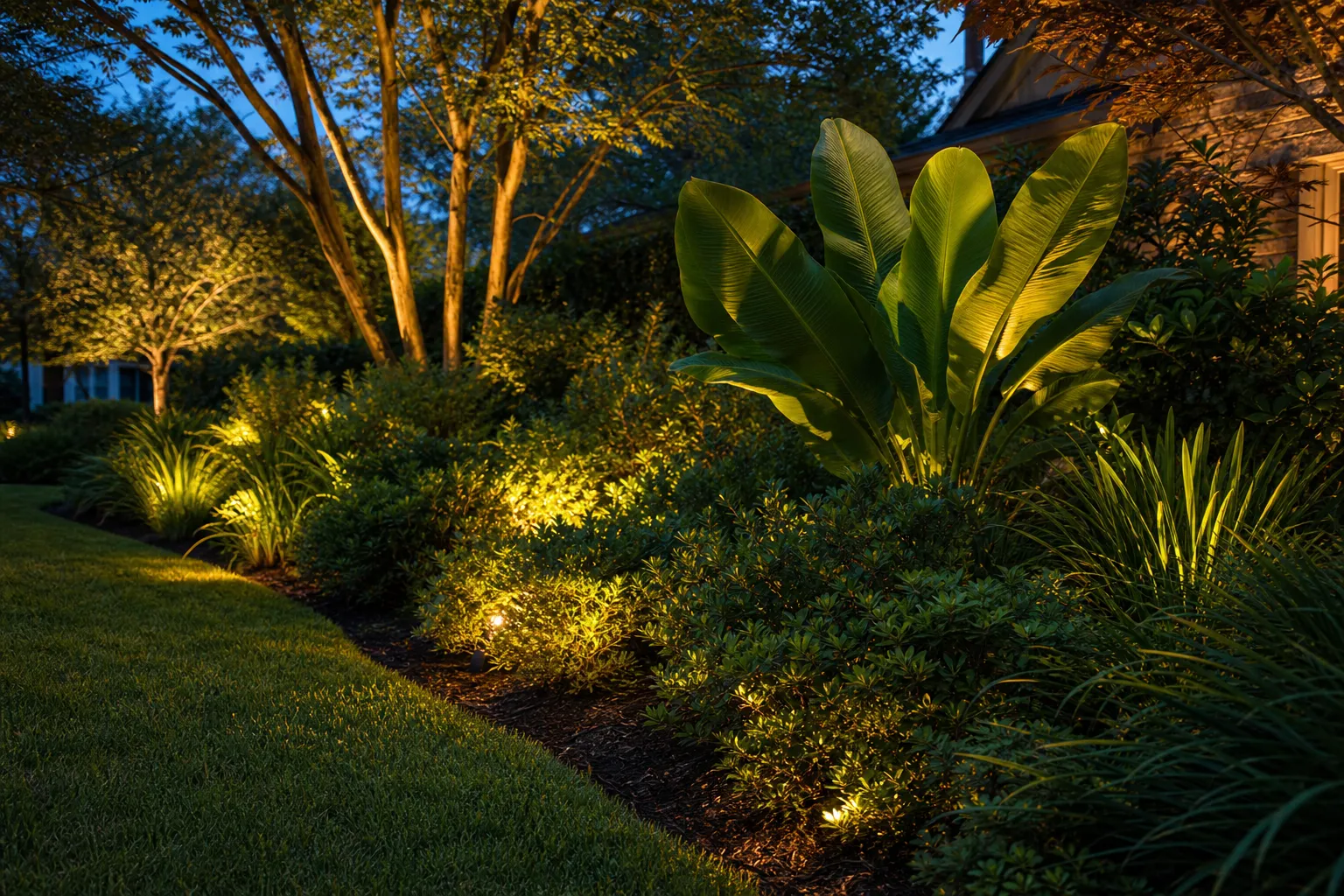
Accenting beds, borders, and specimen plants is where low-voltage landscape lighting shines. The layout has to leave room for the garden to fill in.
Get a quote →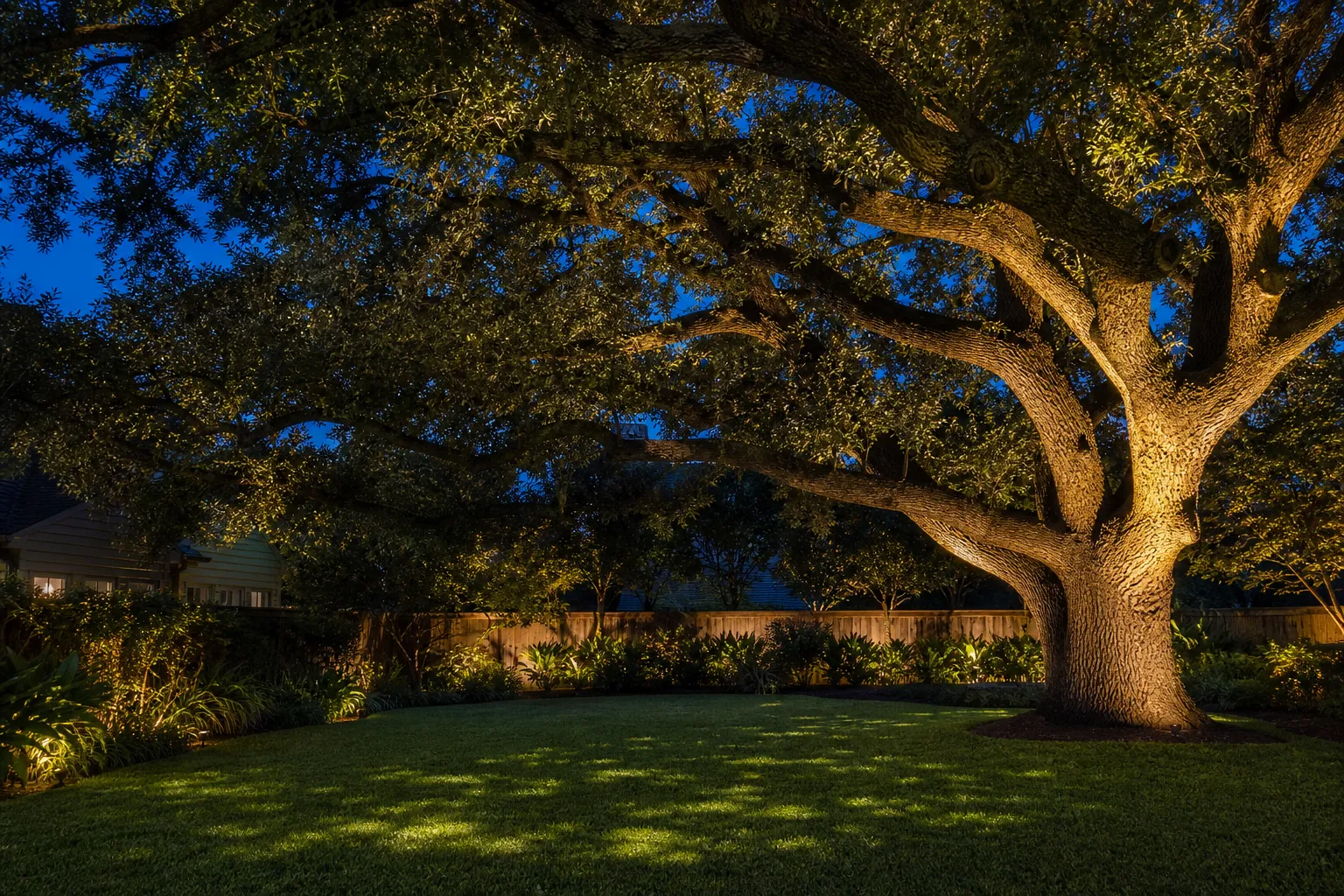
Uplighting a live oak's canopy or moonlighting down through the branches is dramatic — and hard on fixtures. Mounting has to respect a growing tree.
Get a quote →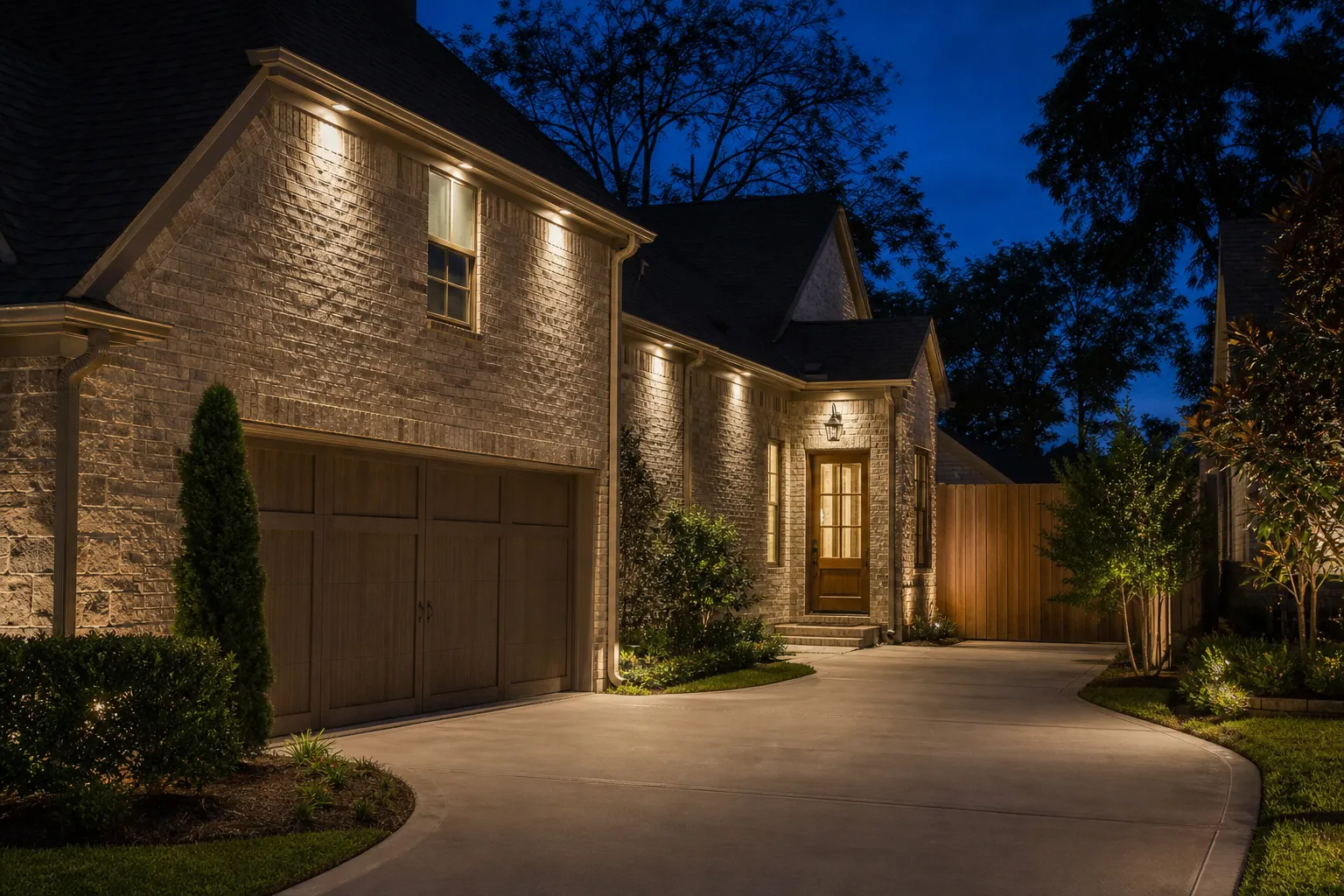
Coverage and deterrence — motion floods at entries, drives, and dark corners. Aim matters as much as brightness so light lands on your property, not the neighbor's.
Get a quote →Most landscape lighting runs low-voltage off a transformer; some fixtures need full line-voltage. The matched electrician sizes the transformer, plans the cable routes, and specs wet-rated gear for your yard.
A transformer steps 120V down to 12V, then burial-rated cable feeds the fixtures. Safer to work around plants and people, and flexible to adjust as the yard changes.
Full-voltage fixtures wire like any exterior circuit — junction boxes, conduit or burial to code. More involved, and new circuits typically mean a permit.
Heat, humidity, storms, standing water, and shifting clay soil are hard on fixtures and wiring. The right gear and layout account for all five.
Relentless sun degrades cheap lenses, gaskets, and finishes. Brass, copper, and quality composites hold up where plastic yellows and cracks.
Gulf Coast damp corrodes sockets and connectors. Sealed, wet-rated fixtures and gel-filled connectors keep water out of the joints.
Hurricane-season storms bring wind and power surges. Secured fixtures plus surge and GFCI protection reduce what a storm takes out.
Flat lots pond after a Houston downpour. Transformers mount above grade and fixtures are sited and sealed for water that lingers.
Houston gumbo swells and shrinks with the seasons and shifts what's buried. Cable slack and stable mounts tolerate soil that never sits still.
Good outdoor lighting is planned, not just installed. A licensed electrician (working with your designer's plan if you have one) aims for the effect, keeps glare and spill under control, and leaves room for the landscape to grow.
Fixtures aimed and shielded so you see the light's effect, not the source — warm, comfortable, not blinding.
Light kept on your property. Aim, shielding, and placement stop spill into a neighbor's windows or the street.
Positions and cable slack planned for trees and beds filling in — so the design still works in two years, not just this season.

How the system turns on and off — from a simple sensor to full app control.
On at dusk, off at a set time — and the timer follows sunset through the seasons on its own.
A dusk-to-dawn sensor switches the lights on the sky, not the clock — simple and hands-off.
Zones, scenes, and schedules from a hub or app. The matched pro scopes compatibility — neutral wiring and ecosystem — before promising anything.
We don't quote landscape lighting sight-unseen — every yard is different. These are the factors the licensed electrician weighs when pricing your job.
| Cost driver | Why it moves the number |
|---|---|
| Fixture count & quality | More fixtures — and brass or copper over composite — mean more materials and labor, but far longer service life outdoors. |
| Transformer sizing & zones | Larger loads and multiple switching zones need bigger or additional transformers and more wiring. |
| Cable runs & trenching | Long runs, hardscape crossings, and root-bound beds add trenching, boring, and time. |
| Controls | Timers, photocells, and smart hubs add hardware and setup on top of the fixtures. |
| Wet-rated gear & corrosion protection | Sealed fixtures, corrosion-resistant materials, and gel connectors cost more up front and hold up in Houston damp. |
| Permits & inspection | When exterior circuits are added or altered, City of Houston permit and inspection add fees and time. |
Ranges vary widely by yard. The matched licensed electrician confirms an exact quote in writing after walking the property — before any work starts.
Low-voltage add-ons off an existing exterior outlet usually don't need a permit. New or altered exterior circuits — line-voltage runs, added circuits — typically do, and the City of Houston requires an electrical permit and inspection. HOA rules, deed restrictions, and setbacks can also govern fixture placement and height, so those get checked too.
The matched electrician holds an active Texas TECL license, pulls any required permit in their name, and is responsible for code-compliant work and passing inspection. Houston Service Hub does not pull permits or perform work — the licensed pro does.
A look at the kinds of outdoor and landscape projects that come through — to help you picture your own.
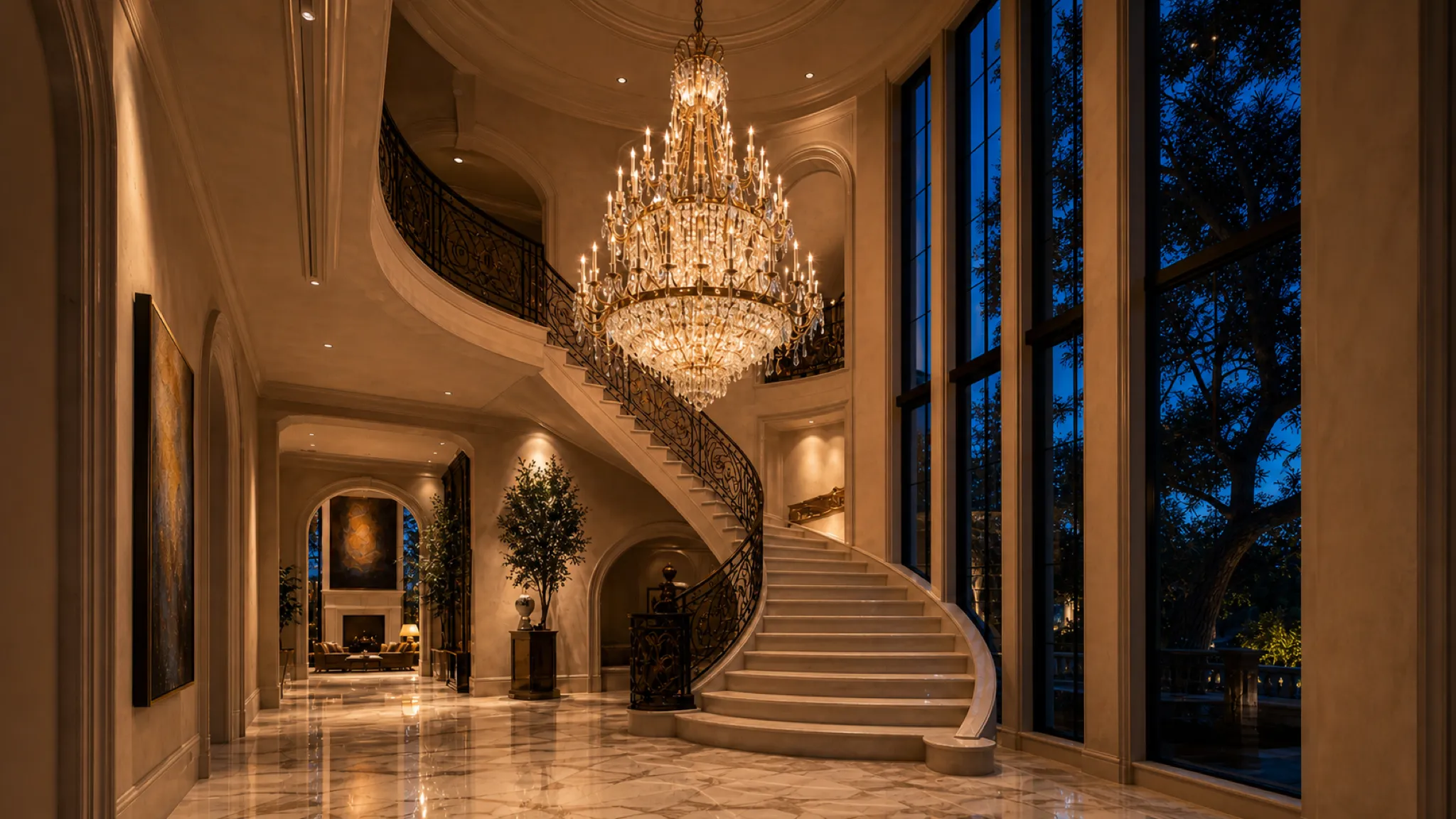
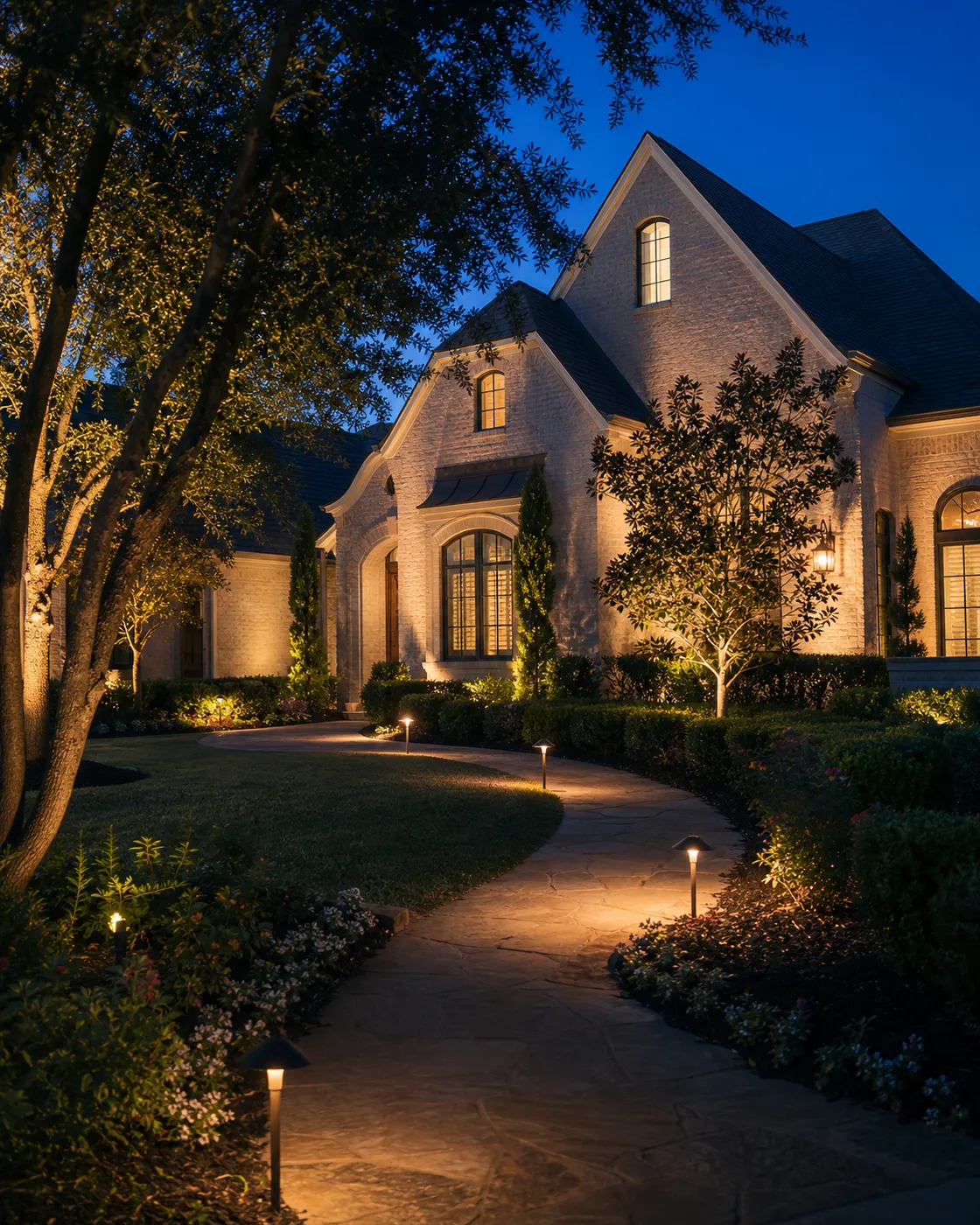
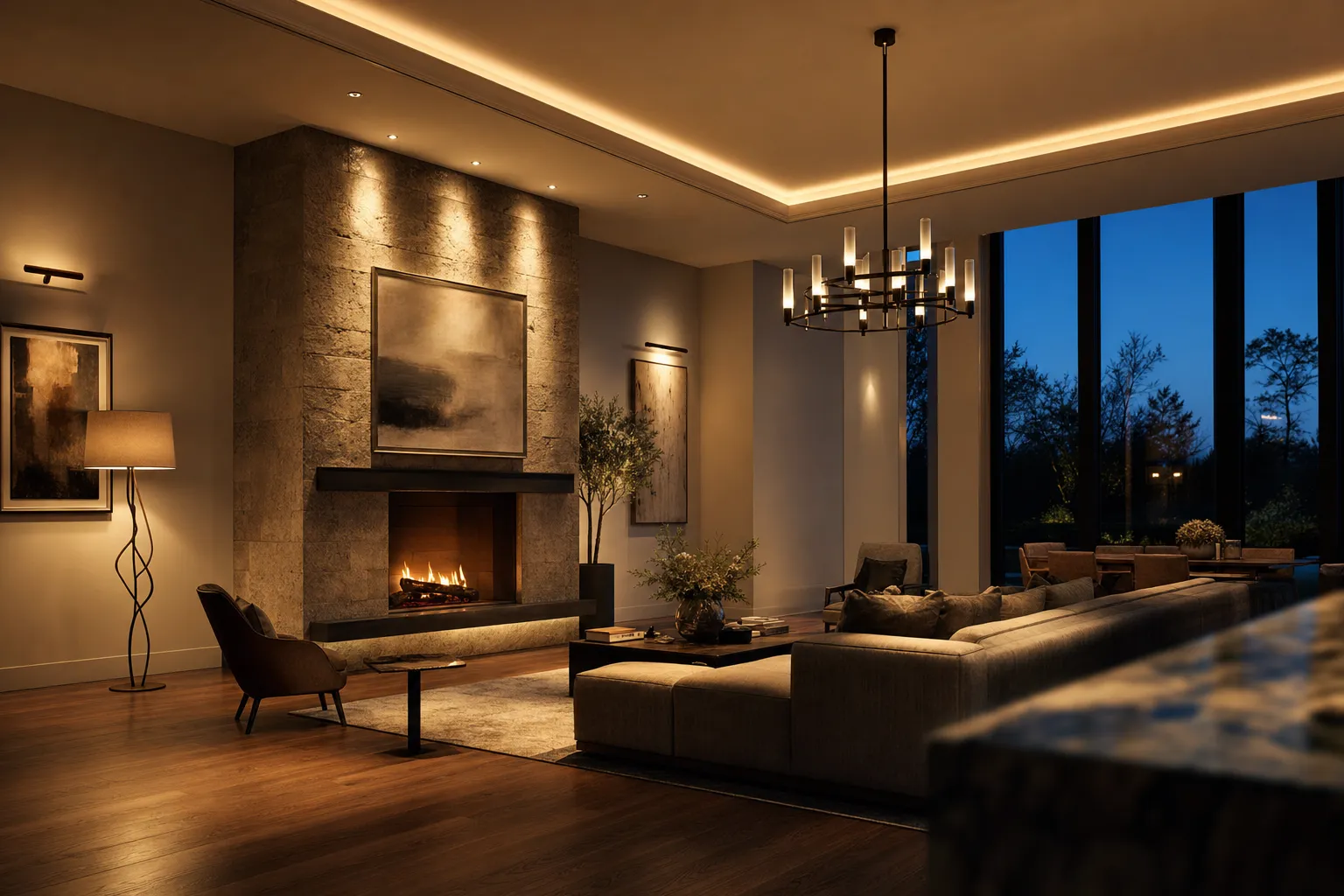
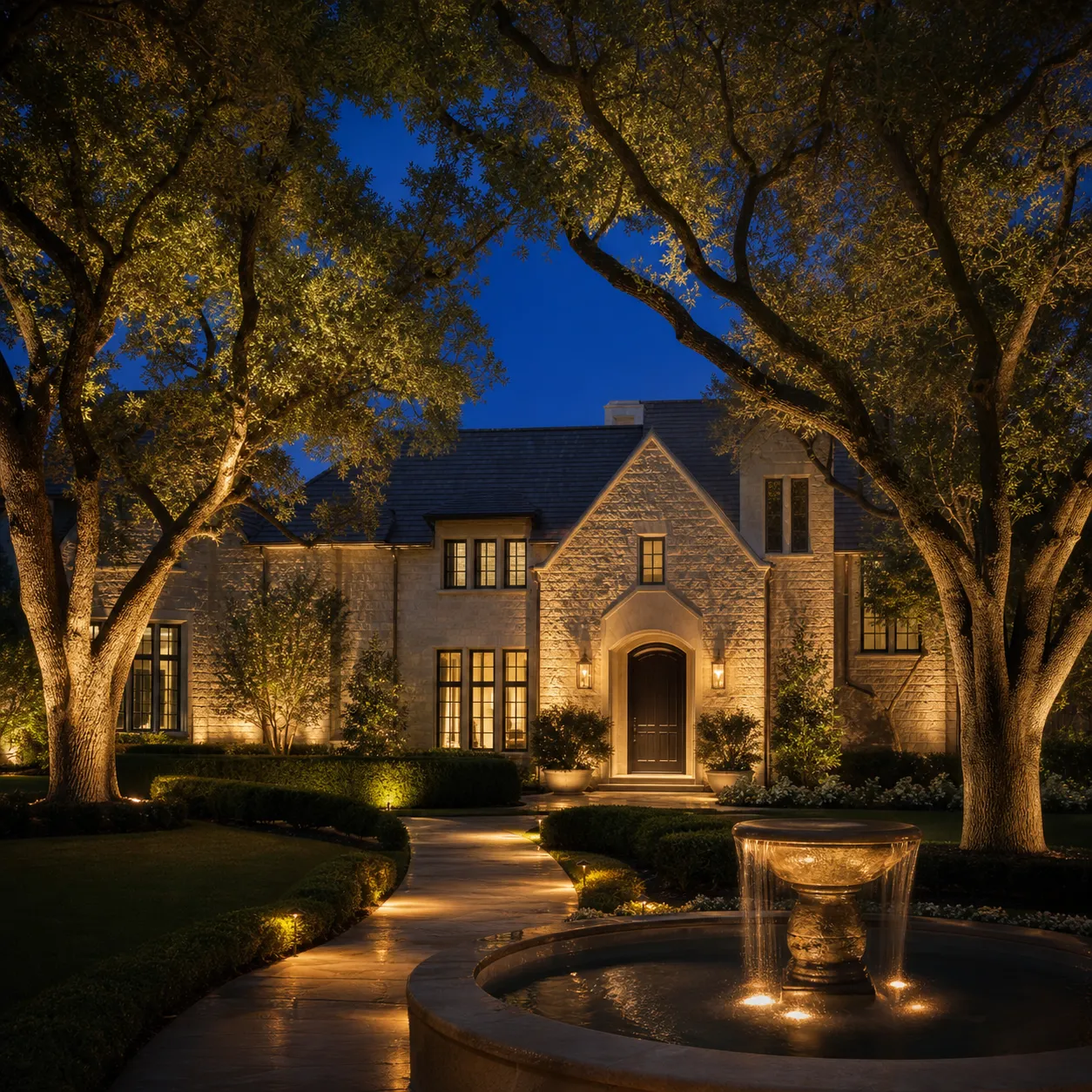
We're assembling permissioned, homeowner-approved case studies of recent Houston landscape lighting work — with real details, not stock claims. This is where they'll live.
Before any electrician receives a single outdoor lighting lead from us, we confirm:
TECL number on file and verified before any lead is routed.
Active coverage checked — not just claimed.
A track record of satisfied Houston homeowners.
Clean standing with the Texas licensing board.
Works Houston homes every week — local to your ZIP.
Matched to your ZIP — inside Loop 610 out to Katy, Sugar Land, Pearland, and The Woodlands.
If you're elsewhere in Greater Houston, ask on the form. See all service areas →
No — Houston Service Hub is a referral service. We match you with a licensed local electrician who does the design and installation.
Most landscape lighting is low-voltage (12V) on a transformer; some façade floods, security, and larger fixtures are line-voltage (120V). The matched electrician confirms the right mix on the site visit.
When exterior circuits are added or altered — new line-voltage runs, added circuits — yes, and the licensed electrician pulls it. Low-voltage add-ons off an existing exterior outlet often don't. HOA or deed restrictions may also govern fixture placement.
A good design aims and shields fixtures so light lands on your property, not a neighbor's windows or the street. The pro plans placement to avoid light-trespass.
With the right gear — wet-rated, corrosion-resistant fixtures, sealed connectors, and surge/GFCI protection. The matched electrician specs equipment for Gulf Coast heat, damp, and storm season.
Tree and garden fixtures are mounted with slack and spacing that allow for growth, so the design keeps working as the landscape fills in rather than girdling a trunk or getting buried.
No. Matching and the quote are free; you pay the electrician directly only for work you choose to hire.

One minute to submit. One callback. No upfront fees.